Karen asked me if I wanted to see the cemetery for the town on the end of our bike tour. Sure, I said, why not?The cemeteries are much more ornate here, with homemade flower arrangements, hand-painted signs and bright colors that personalize the tombstones. Very affluent families have tombs in the shape of a house. Others are crosses made of pipe or wood with simple, hand-painted name signs and the date of their loved one's passing.We stop at her uncle's grave and she shows me the stone. He was a Sandinista and died fighting in the war in El Sauce.The city, she says, is still recovering from the war. There used to be a lot of commerce here. As a tourist you can embed yourself in the remotest of communities but you are so often an observer. Karen and the tour guides share their community with us.
Karen, my bike tour guide, is a bit shy as we pedal through the morning streets past the municipal baseball stadium. Women in worn flip flops are outside sweeping away the night's dirt and tossing buckets of water to clear the area outside their doors of the street.Kellan gave Karen specific directions: Talk simply, use gestures and try whatever she needs to to communicate. Tours are geared toward tourists who speak some Spanish but not a lot, so I'm the perfect mock tour candidate.We're already thinking outside the box. Outside the old train station, Karen tells me about the line that used to run here. I don't know the word for train, but I get the gist. "Toot toot?" I ask her, pulling an imaginary horn."Si! Toot toot"A shirtless man outside a horse and bridle shop hangs leather straps of orange and yellow outside the wooden front and dogs lope around sniffing the pavement.Outside of town we get on a trail that was once a train line, bringing cargo of chickens, cows, vegetables and many other things here. When the train stopped running, people took the tracks for use or to sale. Now it's a dirt path that runs north to south, lined on either side by banana trees and humble homes.The government provided land to homeless and very poor people and we are passing them now. The homes are extremely humble, made of adobe (mud, water and dung then dried), scraps of wood and sheets of plastic or sometimes all three. They have latrines with walls of plastic, outdoor adobe ovens and very few belongings. Everyone we pass smiles and says, "Adios."At a communal well, Kellan and Yacarely wash their faces and I spot frehshly-formed adobe drying in the sun. I ask the man to take his picture with his handiwork. I have never seen adobe before.On a bridge, a man is fishing with a net for dinner and often we stop to let other cyclists, women with bags and two young boys hauling a stack of firewood three feet high by. A boy on an ox-drawn cart rattles by, the oxen protesting in the heat.On the way back, we stop at the adobe man's house so I can see his homemade oven.
From Nicaragua to the College Green, On Scene shares the compelling stories we are working on for the next edition of the alumni magazine. Stay tuned...
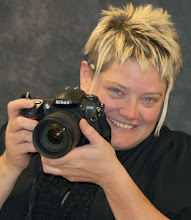
Managing Editor Kris Dreessen dislikes desks. She’s much happier exploring our history and getting to know our students and alumni to tell the Geneseo story. An award-winning writer and photographer, she’s never without her pen or camera.